
Running a Sex Offender Check in Pointe Coupee Parish
Begin at the Louisiana State Police registry landing page. It presents the required disclaimer before sending a user into the dynamic ICrimeWatch search. The statewide system is the official public source for Pointe Coupee Parish entries. The sheriff is the local registration point, and a municipal police department may also have duties when a residence lies within an incorporated municipality.
Search results depend on information supplied by courts, corrections, registrants, and local law enforcement. Louisiana State Police does not guarantee that every entry is accurate, complete, or timely. Use the result as a public-safety lead, verify a material question with the registry or local registering agency, and use emergency services for an imminent threat.
Entering Louisiana ICrimeWatch
The official route requires a user to read the conditions and choose “I Agree.” Choosing “I Do Not Agree” denies access, and the dynamic search requires JavaScript and cookies. Entering from the State Police page helps avoid unofficial copies that may be stale or strip away the legal warning.
The DPS&C registry entry page explains the state service and points to the managed registry.
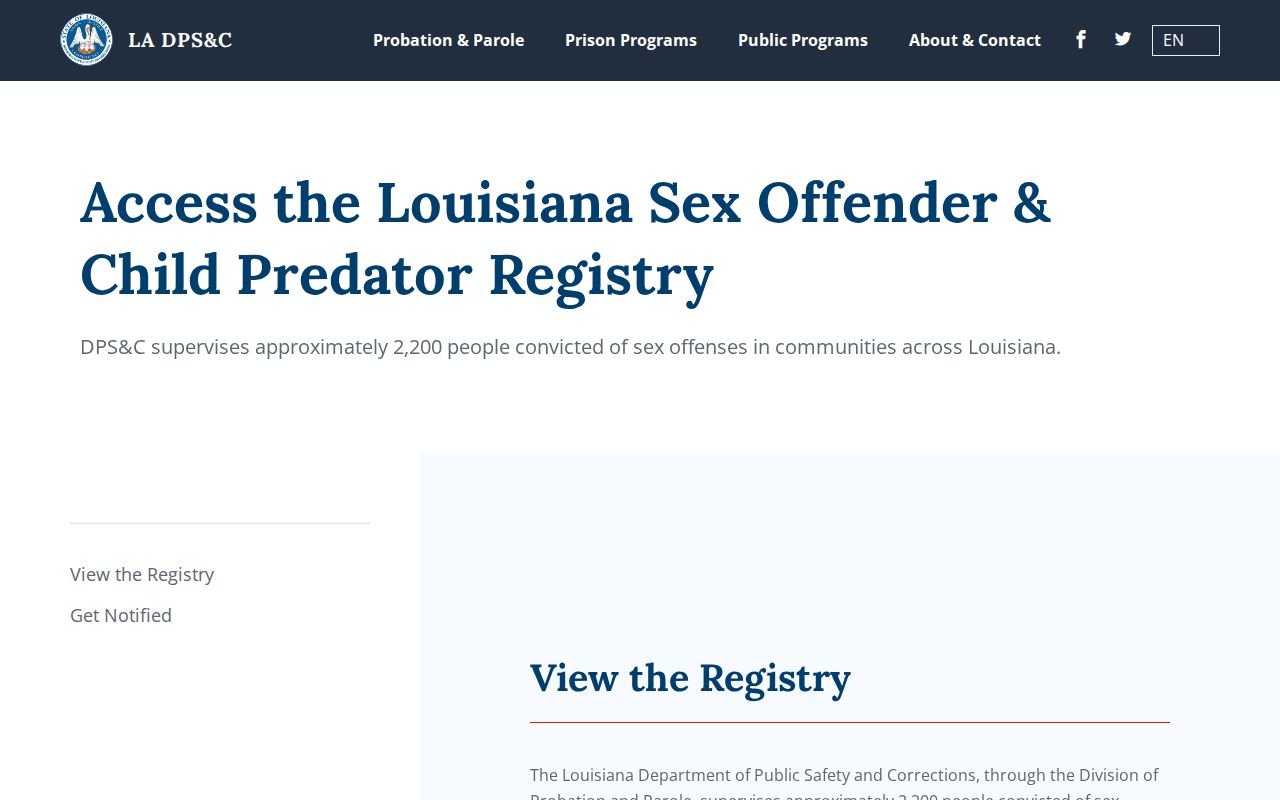
The entry page establishes the official route. It does not replace reading the live profile, status, disclaimer, and registration details returned by the search.
Searching the Louisiana State Sex Offender and Child Predator Registry
Use the name or location controls displayed in the live registry and do not assume values that are not shown. The research could not reliably expose every dynamic dropdown or radius option, so current interface labels control. For a location check, use the parish, city, ZIP, address, map, or radius controls only when the live system offers them.
- Open the State Police registry page, read the disclaimer, and choose “I Agree.”
- Select an available name or location search and enter the narrowest accurate details.
- Compare the result list by photo, aliases, physical description, and location to avoid a false match.
- Open the profile, review offense, tier, duration, and status, then verify uncertain data with the registering agency.
| Field Label | Type | Required | Notes |
|---|---|---|---|
| Last name | Text | Search dependent | Check aliases and spelling |
| First name | Text | Search dependent | Use with other identifiers |
| City / ZIP | Location control | No | Use only current displayed options |
| Parish | Location control | No | Select Pointe Coupee when offered |
| Address / radius / map | Dynamic tool | No | Exact controls may change |
Search Louisiana First, NSOPW Second
The Louisiana registry is the primary source for a Pointe Coupee Parish search because it carries state-specific tier and registration details. The National Sex Offender Public Website is a useful supplement when a search crosses state lines or when recent movement may involve another jurisdiction. Neither tool guarantees safety or replaces local confirmation.
The Louisiana State Police registry is the correct first stop.
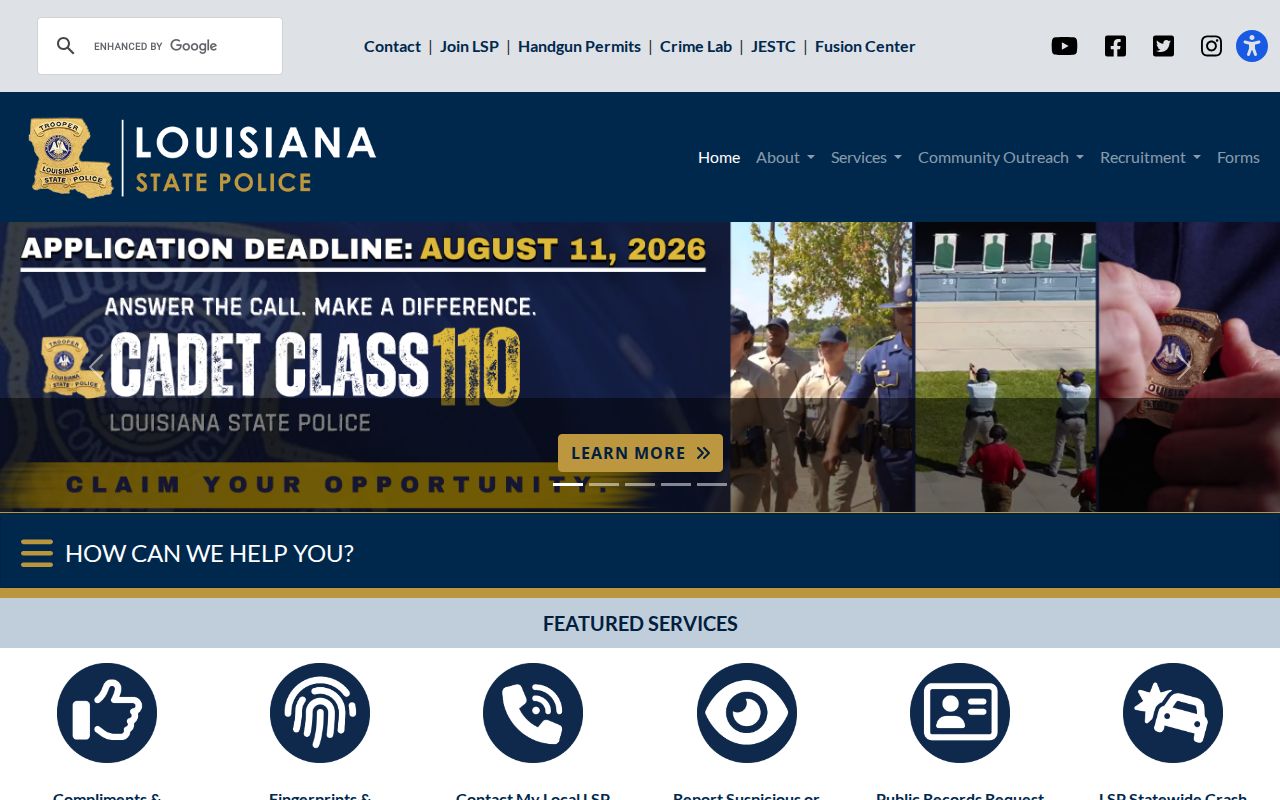
Review the state profile before broadening the search, since the Louisiana record explains local duties and status.
The official NSOPW search combines participating jurisdiction data for a nationwide supplement.
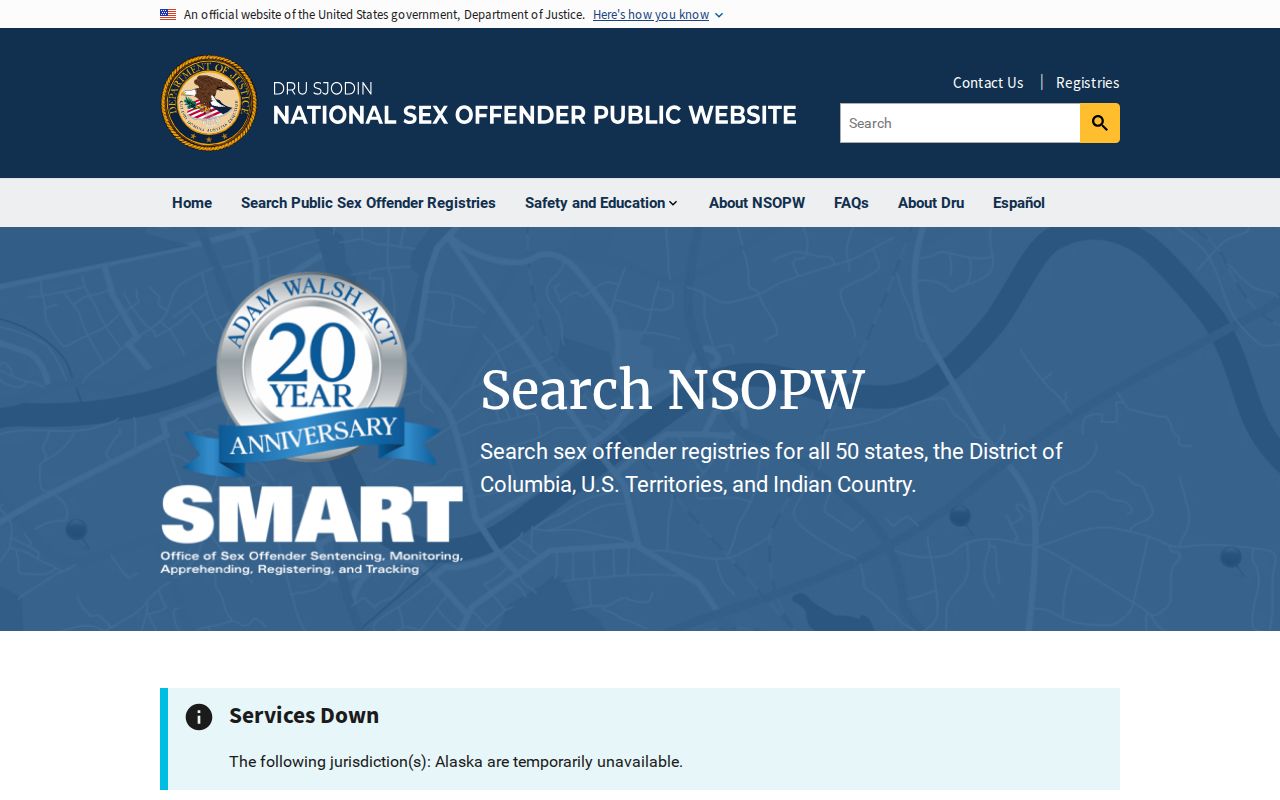
Differences between the two systems should be checked with the registry help line rather than resolved by guessing which screen is newer.
What a Registry Profile Shows
Louisiana law requires registrants to supply extensive identifying, residence, offense, and status information. The public display commonly includes a subset suited to notification. A profile can show the registered person’s name and aliases, photograph, physical description, address or location, conviction information, tier, registration duration, and compliance status. It may also show employer, school, vehicle, scars, marks, or tattoos when the law and system provide.
| Name & Aliases | Legal name and reported alternate names used to match identity. |
|---|---|
| Photo & Physical Description | Image and descriptive traits that help prevent a name-only mismatch. |
| Registered Address | Reported residence or location, which should be checked for update timing. |
| Offense & Statute | Conviction, court, docket, statute, date, and sentence details when displayed. |
| Level / Tier | Louisiana classification linked to duration and renewal frequency. |
| Registration Status | Compliance, verification, or absconded information shown by the system. |
What Pointe Coupee Registrants Report
Louisiana R.S. 15:542 requires information beyond a name and home address. Required data includes aliases, residences, employment details or routes when there is no fixed workplace, school information, physical description, photographs, offense and conviction details, fingerprints, and other identifiers, online accounts, or vehicle information specified by law.
A resident generally registers with the Pointe Coupee Parish Sheriff within three business days under the statutory rules. A person living in an incorporated municipality with a police department must also follow the municipal registration duty. Work and school locations can add more agencies. The sheriff and local agencies forward data and fingerprints to BCII, which maintains the central registry.
Registration Requirements and Levels in Louisiana
Louisiana uses three tiers tied to the official offense category. Duration and in-person renewal are statutory obligations, not estimates to calculate from a profile alone. The clock can restart or suspend under the law, and limited reduction may apply in qualifying Tier I circumstances. Confirm an individual end date with the proper agency.
| Level / Tier | Public Registration Period | In-Person Renewal |
|---|---|---|
| Tier I | 15 years; limited statutory reduction may apply | Annually |
| Tier II | 25 years | Every six months |
| Tier III | Lifetime | Quarterly |
Pointe Coupee Distance Rule Limits
Louisiana’s 1,000-foot restrictions under R.S. 14:91.2 do not automatically apply to every person on the registry. The provision concerns specified offenders and victim-under-13 circumstances. A map pin or tier label alone is not enough to decide whether the restriction applies. Read the controlling offense and current statute or seek qualified legal guidance.
Likewise, a registered address should not be treated as proof that a person is present at that spot at a particular moment. Address precision, reporting deadlines, custody, hospitalization, work travel, and update cycles can affect what the public screen shows. Verify an apparent problem rather than confronting anyone.
Pointe Coupee Registry Email Alerts
BCII maintains an email-notification capability under R.S. 15:542.1.5. When the live registry offers an address, radius, or ZIP-based alert, use the exact options shown and keep the enrollment address current. Alerts are meant to support awareness when reported registry information changes; they are not emergency warnings or proof of a new crime.
The registry help line is (800) 858-0551 and operates from 8:00 a.m. to 4:30 p.m. Central according to the official disclaimer. It can help with questions about a profile or status. For immediate danger, call emergency services, not the registry line.
When Pointe Coupee Data Looks Old
A registry entry is assembled from courts, corrections, registrants, and local law enforcement. If an address, photo, offense, tier, or status seems inconsistent, record the profile identifier and the precise field in question. Then contact the state registry or registering sheriff. Do not publish an accusation that someone failed to comply based only on an apparent date or map mismatch.
A registry result also is not a complete criminal history. It focuses on registration information under Louisiana law. Absence from the registry does not mean that a person has no criminal record and does not guarantee safety. For a specific prosecution outcome, the appropriate court file is the better source.
Pointe Coupee Compliance Supervision
The DPS&C West Baton Rouge Probation and Parole District serves Pointe Coupee, Iberville, West Baton Rouge, and part of East Baton Rouge. Its staff supervise state felony cases in the community and take part in compliance operations. The district assigns an officer to the Middle District U.S. Marshals Sex Offender Locate and Arrest Team.
Official district figures cover the whole service area, not Pointe Coupee Parish alone, so they should not be presented as a local registrant count. LA VINE may show community-supervision information, while the 18th JDC sentence states what the court ordered. The registry profile, supervision record, and court judgment remain distinct products.
Lawful Use and Community Notification
The registry exists for public awareness and practical safety planning. Review nearby reported locations, consider the update and map precision, enroll in official alerts if useful, and discuss age-appropriate household safety without singling out or approaching a registrant. The information does not authorize retaliation or denial of lawful services.
Use registry information lawfully: Louisiana State Police warns that threats, intimidation, harassment, property damage, or other misuse can create criminal or civil liability. Do not use a profile to punish a registrant or household.
Community notification is most useful when it leads to calm precautions and direct verification. A concern about inaccurate information belongs with the registry or sheriff. An observed emergency or suspected crime belongs with law enforcement through the appropriate emergency or non-emergency channel.